
Rural Healthcare Crisis in America: A Growing Emergency for Small Towns
Rural Healthcare Crisis in America: A Growing Emergency for Small Towns
A Quiet Emergency That’s Getting Harder to Ignore
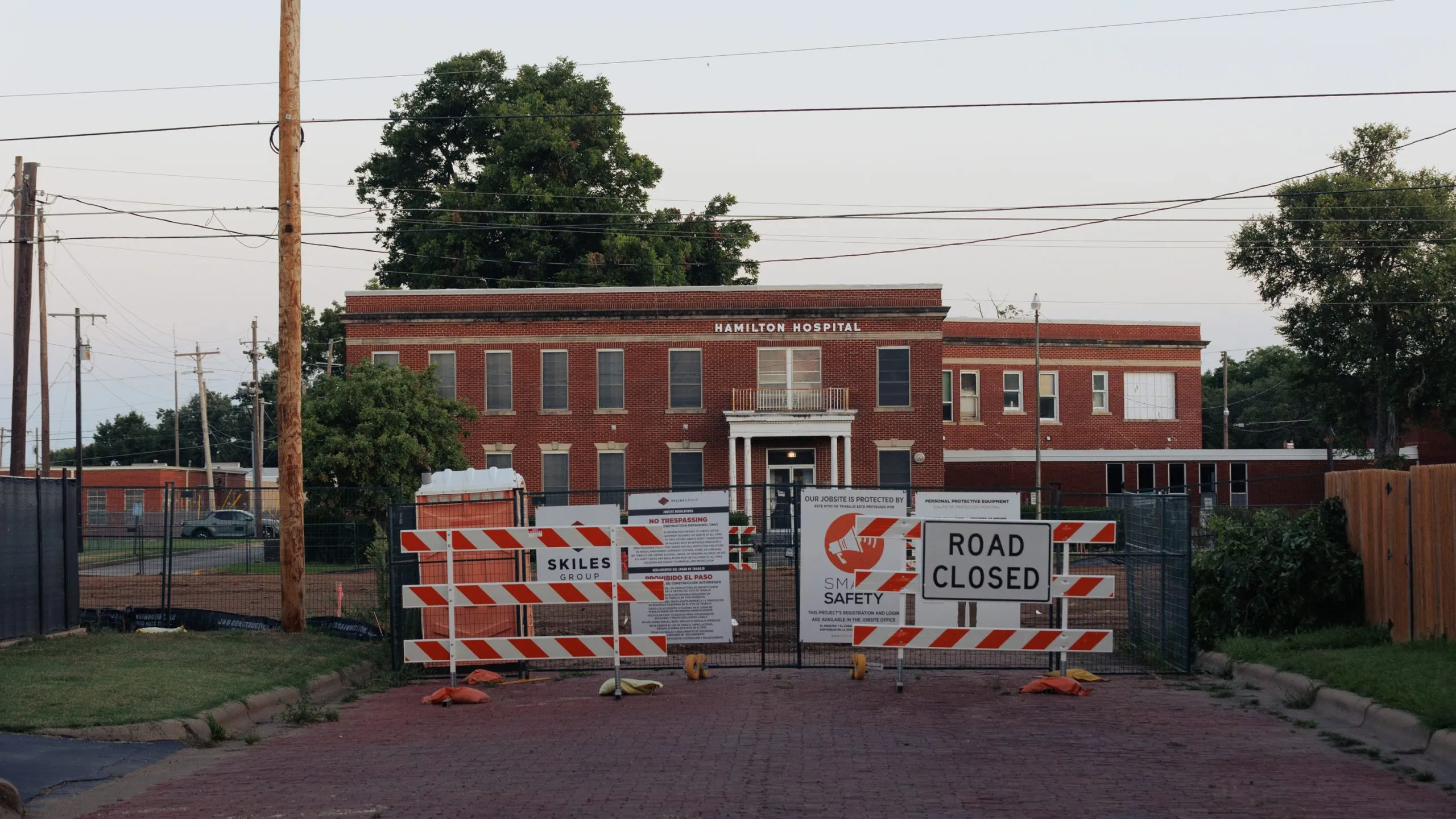
All over the country, small towns are facing a healthcare disaster that just keeps getting worse. For years, rural hospitals were the heart of their communities. Now, they’re barely hanging on. Many have cut services, some have shut down completely, and more are on the brink. The result? Huge stretches of the country where folks have to drive hours just to see a doctor or get urgent care.
This isn’t just a few unlucky towns—it’s a nationwide problem. In the last decade, more than 110 rural hospitals have closed, and hundreds more could follow if nothing changes. The trend isn’t slowing down, either.
Why Are Rural Hospitals in Trouble?
Most rural hospitals serve small populations and run on tight budgets. They don’t have the resources big-city hospitals do, but their costs aren’t any lower. In fact, running an ER, keeping equipment up to date, and paying staff costs just as much—or more. At the same time, they see fewer patients, so it’s tough to make ends meet.
Nearly half of all rural hospitals lose money every year. Insurance doesn’t help much, either. Rural hospitals rely heavily on Medicare and Medicaid, and when those programs cut payments or change the rules, it can push a hospital over the edge.
All these pressures add up. Hospitals can’t keep every department open, so they start cutting services. Some close altogether, leaving whole communities without basic care.
Healthcare Deserts: What Happens When the Hospital’s Gone?
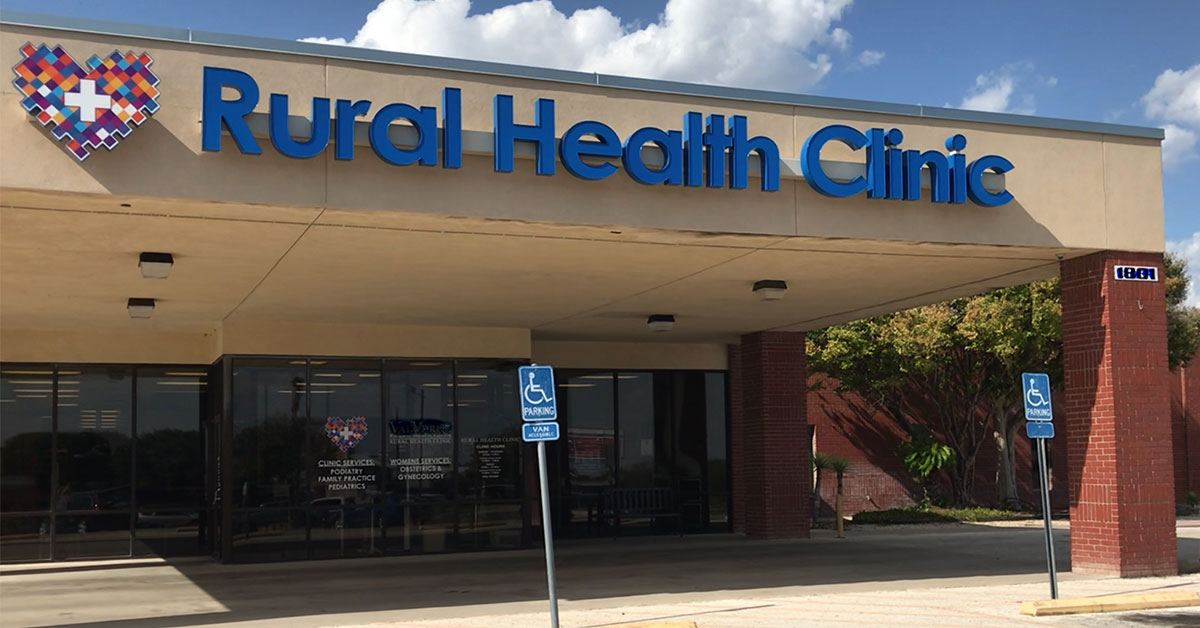
When a hospital shuts its doors, the area around it becomes what experts call a “healthcare desert.” People have to travel 20, 30, even 50 miles for a checkup—or much farther in an emergency. If you’re having a heart attack or a stroke, that extra time can mean the difference between life and death. First responders and doctors have warned that people are already dying because help is too far away.
It’s not just about emergencies, either. Many rural hospitals have dropped specialized care. For example, hundreds no longer deliver babies, so pregnant women have to drive hours just to give birth. Cancer patients who used to get chemotherapy close to home now face long, exhausting trips for every treatment. Older adults, people with chronic illnesses, and low-income families feel this the most.
What’s Being Done—and Is It Enough?
Washington has noticed. Lawmakers have proposed billions in new rural health funding, including a $50 billion plan over five years. There’s also a new pilot program to speed up Medicare payments to rural hospitals, so they get paid in weeks instead of months. That helps with cash flow, at least a little.
But a lot of experts say these moves won’t fix the deeper issues. Cuts to Medicaid and other funding changes still hit rural hospitals hard, and it’s not clear new money will be enough to make up the difference.
Real People, Real Consequences
Behind all the numbers and policy talk, regular people are caught in the middle. Small towns that once relied on their local hospital now have to send patients miles away. For some, especially the elderly or those without reliable transportation, that’s just not possible. When emergencies happen, the stakes are even higher.
One Midwestern resident summed it up: after their local hospital closed, they had “no choice but to drive over 30 miles for treatment.” For many, that’s simply out of reach.
This isn’t just about budgets—it’s about whether communities survive, whether people can get care with dignity, and whether help is there when it’s needed most.
Looking Ahead
The rural healthcare crisis isn’t going away.its one of toughest challenges facing small-town America, and unless something changes soon, more communities could find themselves without the care they need.