
GPS Technology in Agriculture: Modern Farming Transformation
Farming doesn’t look much like it used to. Over the past ten years or so, technology has quietly crept into virtually every nook and cranny of agriculture, and GPS just might be the biggest game-changer of them all. What started as a military navigation tool is now something farmers all over the world rely on. With GPS, they can make smarter decisions, cut costs, and get the most out of every acre-from planting day right up to harvest.
How GPS Works in Farming
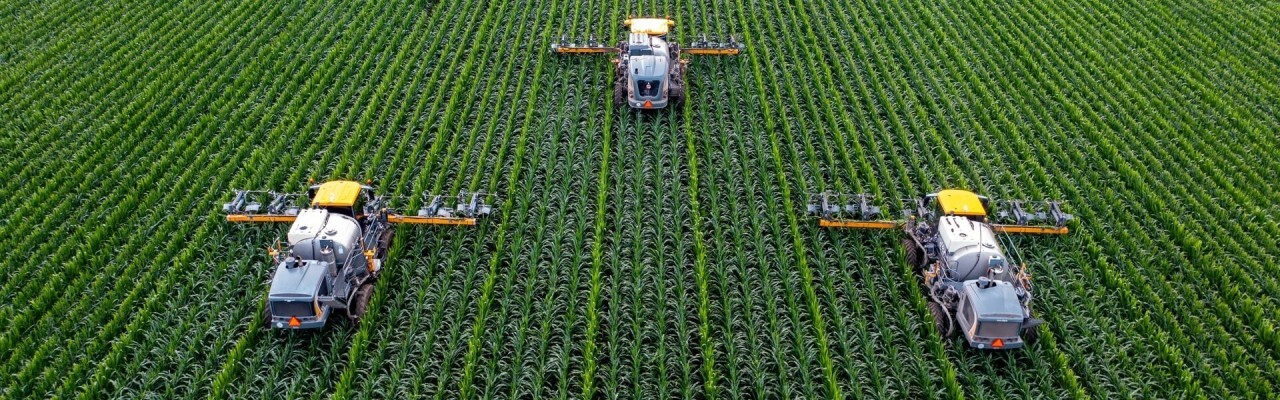
So, how does this actually work? GPS uses a whole network of satellites circling above us, beaming down super-accurate location data to receivers on the ground. On the farm, you’ll find these GPS receivers hooked up to tractors, harvesters, sprayers, and all sorts of other equipment. With GPS guiding the way, farmers can lay out field boundaries to within inches, steer massive machines in perfect straight lines, and keep an eye on everything as it happens.
But GPS is not just about drawing neat maps. It’s more profound than that. Farmers are able to discern minute changes in soil quality, accurately monitor how crops are performing, and maintain ultra-detailed records of exactly what happened in each field. This allows them to apply seed, fertilizer, and water precisely where they’re needed-no more, no less. And guesswork goes out the window, replaced by a whole lot more precision and efficiency.

Precision Agriculture and Cost Savings
This is where GPS really shines: precision agriculture. Farmers can avoid overlapping rows or missing sections with pinpoint accuracy, which is all too common with old-school methods. That means fewer wasted trips up and down the field, saving a ton of fuel, seed, fertilizer, and-most important of all, perhaps-time.
Take fertilizer spreading, for instance. GPS ensures that every bit of the field gets just the right amount-never too much or too little. Some pieces of equipment automatically shut themselves off when they are rolling over ground that is already treated, which reduces waste and helps protect the environment. With this control, costs go down and profits rise.
Improved Efficiency and Sustainability
These days, farming is all about efficiency, and GPS is a huge driver behind that. GPS systems log routes, record every job, and store valuable data which will help farmers plan their next moves-when to plant, irrigate, and harvest. With this information at their fingertips, it becomes easier to choose the best days for each job and to target areas within the field, leaving less room for error.
But it’s not just about the money. With more precise applications of fertilizers and chemicals, GPS helps keep unwanted runoff and pollution out of the environment, too. Farmers can grow more and earn more but also take better care of the land and water on which they rely. It’s a win for farmers, a win for the planet.

Real-Time Monitoring and Data Collection
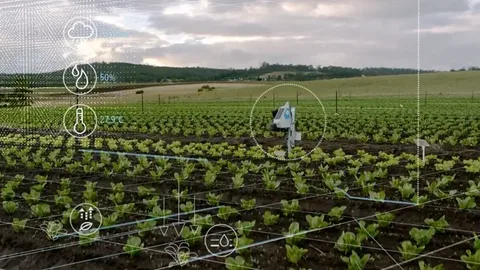
Today’s GPS systems are getting even smarter, connecting with soil sensors, weather stations, and drones to pull in real-time data on everything from soil moisture to crop health. Farmers want to know whether the field needs water, or when to adjust fertilizer, or how to spot a pest problem before it’s out of control. Now, farmers have that information right at their fingertips-sometimes literally on a phone or tablet from anywhere, even miles from the farm.
It wasn’t long ago when this would have sounded like the stuff of science fiction. Now, it is just part of the job. With so much data, farmers can react faster and make sharper decisions, giving them a real edge as competition continues ramping up.
Challenges and Outlook: Of course, GPS isn’t some magic fix. It can be very expensive to get started with, especially for smaller farms operating under tight budgets. And sometimes, either satellite coverage or internet connections just aren’t reliable enough, which itself is a problem.

Your article helped me a lot, is there any more related content? Thanks!