
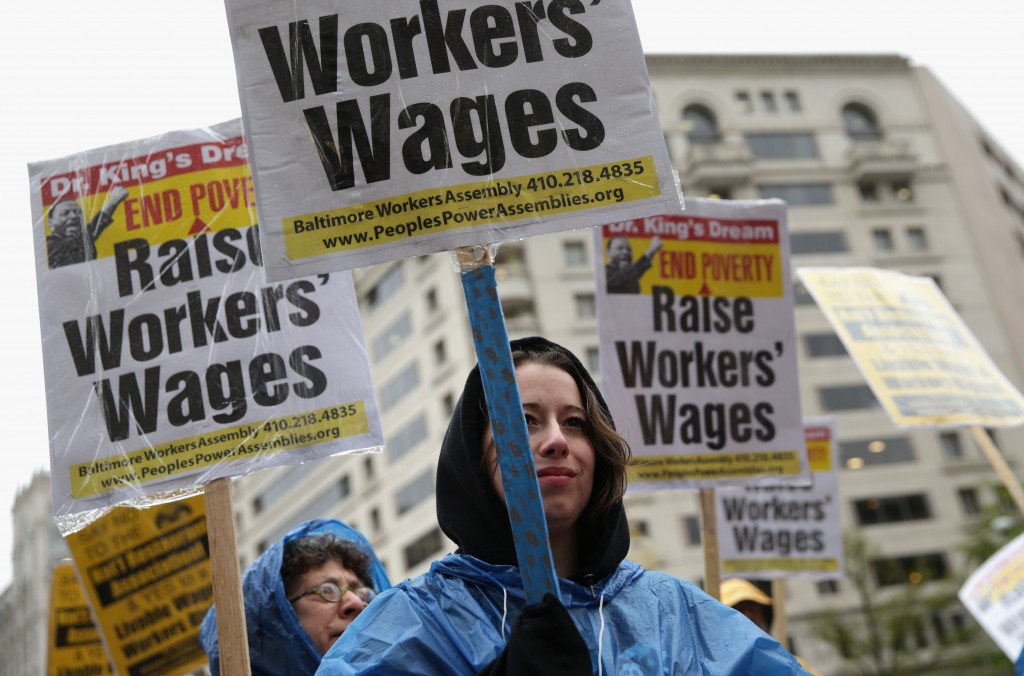
Living on $7.25: How Alabama’s Minimum Wage Is Hurting Working Families
Living on $7.25: How Alabama’s Minimum Wage Is Hurting Working Families
In Alabama, a full-time job just doesn’t guarantee a stable life anymore. All over the state, thousands still earn $7.25 an hour—the federal minimum wage that hasn’t budged in ages. Meanwhile, the price of everything from groceries to rent to gas keeps jumping, but paychecks at the bottom stay the same.
Take James, for example. He’s a warehouse worker in a small town, clocking more than 40 hours every week. Every month, it’s a scramble. Rent and utilities swallow most of his paycheck. Groceries get rationed. If the car breaks down or someone gets sick, his family sinks into debt. “I work hard every day,” James says, “but by the end of the month, I still feel like I’m letting my family down.”
Prices Keep Climbing, Paychecks Don’t
Lately, just about everything costs more in Alabama. Rent’s up, power bills have climbed, and trips to the grocery store sting. But Alabama doesn’t set its own minimum wage, so workers just have to live with the federal rate.
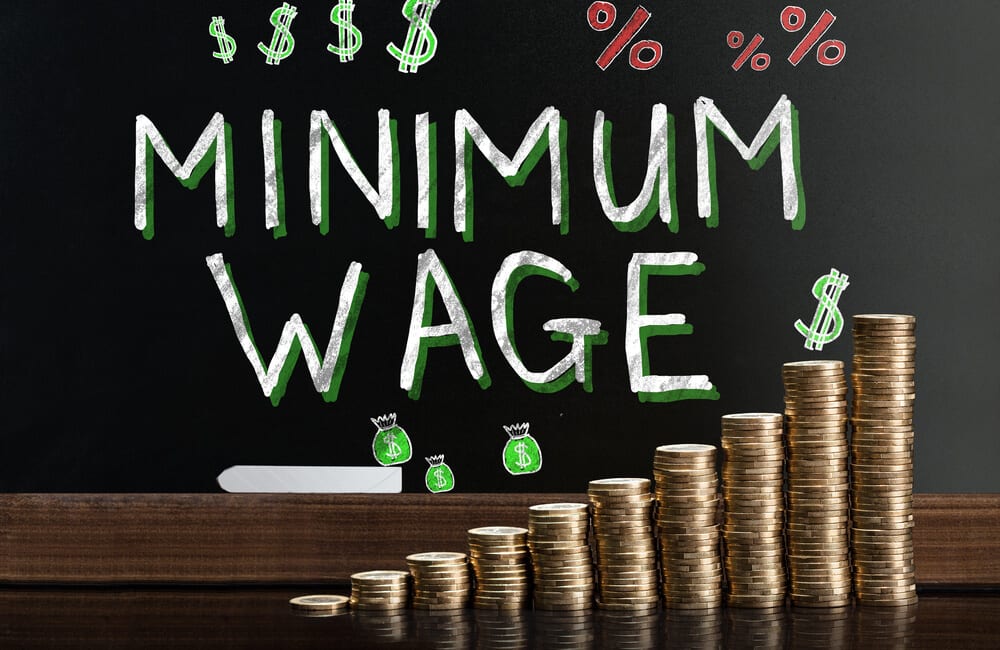
Let’s do the math. If you’re making $7.25 an hour, that’s only about $1,160 a month before taxes. Try stretching that to cover rent, food, and the basics—especially if you’ve got kids. Parents talk about putting off school supplies or skipping medicine. Some skip meals so their children can eat. That’s just the reality now in a lot of Alabama’s low-income neighborhoods.
Healthcare Feels Out of Reach
One of the hardest parts? Healthcare. So many minimum-wage jobs don’t offer any health insurance at all. People just avoid doctors unless it’s an emergency. In rural towns, it’s even tougher—clinics and hospitals are scarce. Letting a simple illness go untreated can turn into something much worse. “I haven’t seen a doctor in three years,” says one retail worker from the countryside. “I just can’t afford it. I hope and pray I don’t get really sick.”
Working More, Still Not Enough
A lot of folks pick up a second or even third job just to survive. They work long hours, barely catch a break, and hardly see their families. Parents miss out on school plays or birthdays. Exhaustion hangs over everything, and saving for the future? Forget it. Emergency funds, retirement, even planning for next week—it all feels out of reach.
Food banks and local charities see it firsthand. More working families are turning up for help, even though they have full-time jobs. Volunteers say it’s almost always the same story: people just can’t make ends meet.
Small Businesses Feel the Squeeze Too
It’s not just workers who feel the pain.small bussiness owners in Alabama way low wages mean employees leave the second they find a job that pays even a little more. That makes it though to keep good people
. Some business owners want to see wages rise, but they worry about keeping up with higher costs. Others say if wages stay this low, nobody has money to spend in their stores anyway. When paychecks stay stuck, whole communities slow down.
A State Left Out of the Conversation
Alabama’s wage crisis hardly ever makes national headlines. The spotlight usually lands on big cities or political fights. Meanwhile, rural areas like Alabama get ignored. But for thousands of families here, this isn’t about politics—it’s about getting through the week.
Local activists and worker groups keep pushing for a state minimum wage that actually matches what it costs to live here. So far, change has been slow to come.
The Real Price of Doing Nothing
Every statistic about low wages hides a real story. It’s a mom deciding whether to pay the electric bill or buy groceries. It’s a dad taking every shift he can find and still falling behind on rent. It’s a kid growing up with stress hanging over the house day after day.
For workers in Alabama, this fight isn’t about extras.its about basic dignity and stability _ the right to live without constant panic about money. Untill wages catch up families across the state will keep asking the same hard question.
Is this really what a full-time job is supposed to feel like?