
EU Plans Retaliatory Tariffs as U.S. Renews Trade Threats Over Greenland
EU Plans Retaliatory Tariffs as U.S. Renews Trade Threats Over Greenland
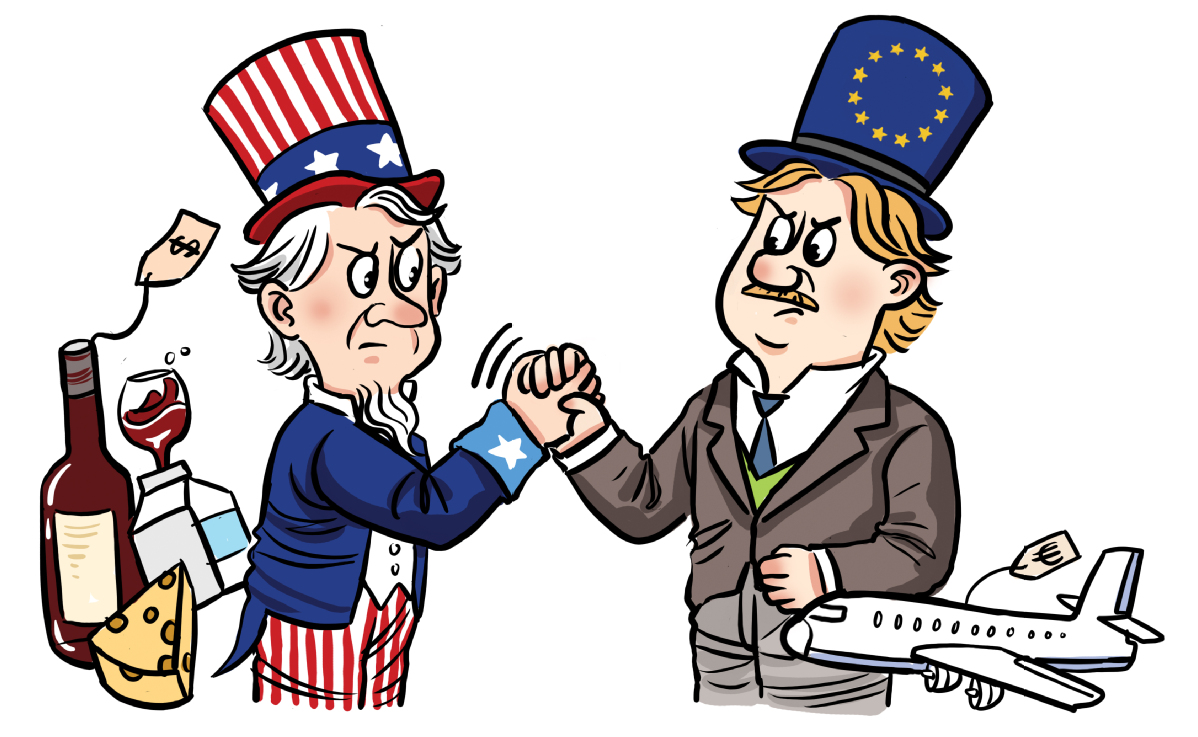
BRUSSELS / WASHINGTON — The European Union is gearing up for a major fight with Washington, putting together a hefty package of retaliatory tariffs after President Donald Trump threatened new duties on several European countries. The latest flashpoint? Greenland. What started as diplomatic friction over the Arctic island is now spiraling into one of the most serious U.S.-EU trade showdowns in years.
EU officials aren’t sugarcoating things. They say this standoff puts global markets at risk, could strain NATO, and threatens to undo years of economic cooperation between Europe and the U.S.
Greenland at the Center of the Storm
Greenland, technically part of Denmark but running its own affairs, sits right in the middle of this mess. President Trump has dusted off his push for more U.S. influence in the Arctic, and he’s using trade threats as leverage. Sources say he’s ready to slap tariffs on goods from eight European countries — Denmark, France, Germany, Sweden, the Netherlands, Finland, the United Kingdom, and Norway — unless Europe gives the green light for the U.S. to pursue buying Greenland. European leaders flatly rejected the idea.
U.S. Tariffs: What’s on the Table
Here’s the plan the White House is floating:
- Starting February 1, 2026: 10% tariffs on selected European products.
- If the U.S. doesn’t get its way, tariffs jump to 25% by June.
Across Europe, leaders called the move political and out of line with international trade rules.
Europe Pushes Back
The reaction from Europe came fast and hard. Leaders from Germany, France, Denmark, the Netherlands, and others put out a joint statement backing Greenland’s sovereignty and blasting the idea of using trade threats as a bargaining chip.
European Commission President Ursula von der Leyen didn’t mince words, either. She said these tactics could wreck trust and stability — and while the EU wants talks, it’s ready to fight back if it has to.
Emergency Meetings and Countermeasures
Brussels moved quickly, too. EU ambassadors gathered for emergency talks, hashing out a response. They’re weighing tit-for-tat tariffs worth up to €93 billion ($108 billion) on American goods.
The EU is also ready to use its new Anti-Coercion Instrument, a tool passed in late 2023 that lets Europe:
- Block U.S. companies from its markets
- Shut out American firms from public contracts
- Impose targeted regulatory barriers
Officials say they’d rather not use this weapon, but it’s now a live option.
Trade Talks Frozen
All this drama has put the brakes on a bigger EU-U.S. trade agreement. Lawmakers in the European Parliament have shelved ratification of a framework deal announced last year. Trust, they say, is in short supply when tariff threats are on the table.
Jitters in the Markets
Investors are watching with a wary eye. European stocks bounced around a bit as traders tried to figure out how ugly this could get. Analysts warn that if things escalate, consumers will pay more, supply chains will get tangled, and business confidence will tank on both sides of the Atlantic. Economists say if this drags on, it could slow down an already shaky global economy.
NATO and Arctic Security Worries
It’s not just about money. European leaders are also worried this fight could chip away at NATO unity, especially with so much at stake in the Arctic. Brussels officials keep saying that security and sovereignty should be settled at the negotiating table — not through trade threats. They warn that letting this dispute fester could weaken the alliance’s ability to defend itself.
What Happens Next?
Right now, both sides are digging in. The EU says it wants to talk, but it won’t back down if the U.S. pulls the trigger on tariffs. With billions of dollars in trade and the future of transatlantic relations at stake, the next few weeks will show whether diplomacy or confrontation wins out.