
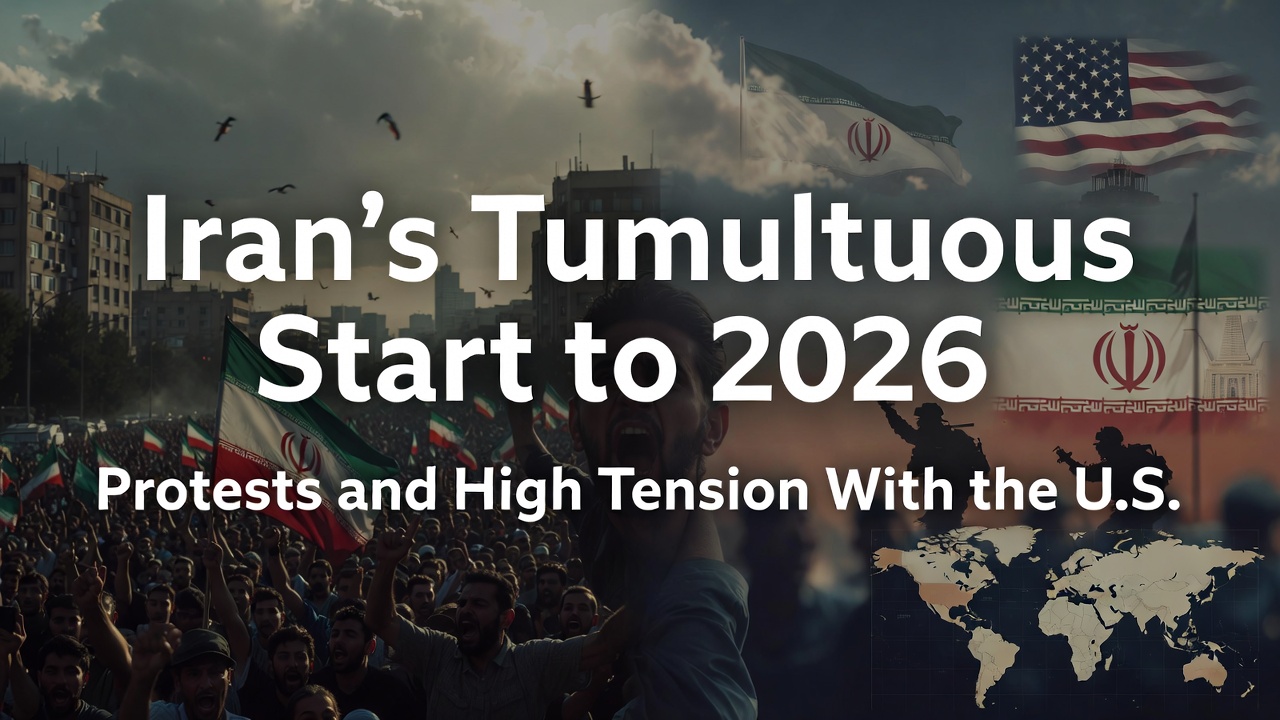
Iran’s Tumultuous Start to 2026 — Protests and High Tension With the U.S.
Iran’s Tumultuous Start to 2026 — Protests and High Tension With the U.S.
2026 barely got started before Iran was already in chaos. Everywhere you looked, people were out in the streets about prices shooting up, the currency in freefall, and life just getting harder.At first it was about money and jobs, but that frustration quickly turned into something bigger.suddenly, protest weren’t just about the economy People wanted real change. The whole world started watching, worried about crackdowns and what all this could mean for everyone else.
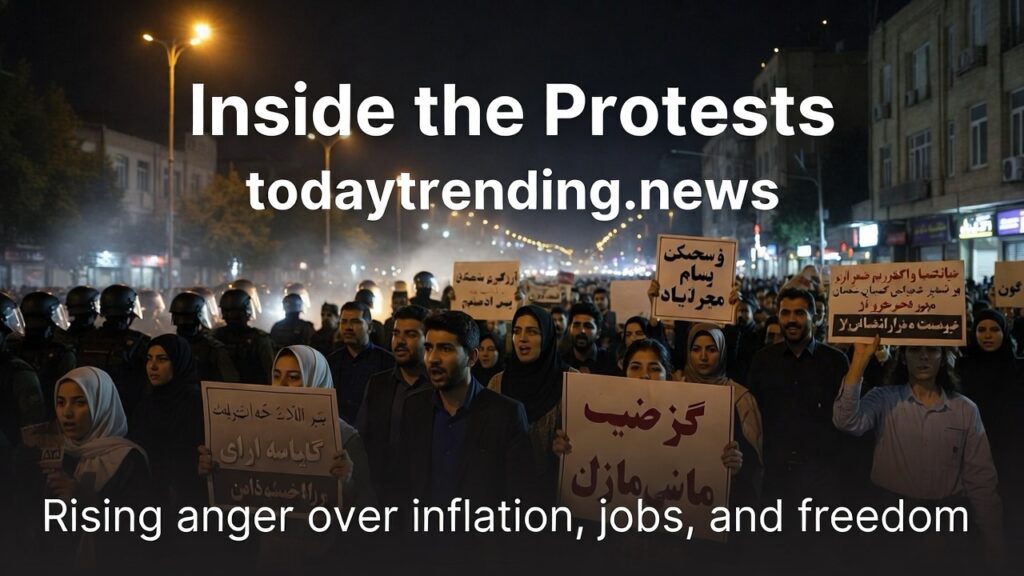
Inside the Protests
It all kicked off back in December 2025. Inflation kept climbing, jobs disappeared, and the rial lost more value by the day. Students marched. Factory workers walked out. Even people who usually stayed silent couldn’t take it anymore. The protests jumped from city to city, getting louder and bolder. People didn’t just want groceries they could afford—they wanted a say in how things worked.
The government’s answer? Brutal force. Human rights groups say the death toll is in the thousands, but nobody really knows the true numbers. Tehran admits people have died—on both sides, they say—but they deny going overboard. Even after the government tried to shut things down by cutting the internet and blocking the news, people kept coming out. Three weeks later, the anger hasn’t faded.
America Steps In
- Of course, the U.S. got involved. President Trump didn’t hold back—he threw his support behind the protesters and promised help. He also warned Iran that if the crackdown kept up, there’d be consequences.
- Behind closed doors, Washington tightened the screws. Fresh tariffs targeted anyone still doing business with Iran, adding to the mountain of old sanctions. The plan? Squeeze the Iranian government until something gives.
Iran Pushes Back
Iran’s leaders aren’t rolling over. They’re accusing the U.S. of stirring up trouble, saying Washington just wants to mess with Iran under the excuse of “human rights.” Tehran insists the protests are about Iran’s own problems, not some foreign plot.
Their warnings are getting sharper. Any U.S. military move—even one dressed up as “protecting protesters”—could trigger a response. Iranian officials have even named U.S. bases in the region, especially in Qatar, and told American troops to watch their step.
The Whole Region Feels It
This isn’t just about Iran and the U.S. The whole Middle East is holding its breath. Allies, rivals, neighbors—they’re all watching. Some Western governments are calling for calm and talks. Others keep saying Iran’s sovereignty matters. Meanwhile, nuclear negotiations and debates over Iran’s influence in the region keep simmering in the background.
Nobody wants a mistake that turns these protests into a wider war, but with nerves this raw, things could spin out fast.
Looking Ahead
Iran’s at a crossroads. The government has to pick—crack down even harder, or actually listen and make changes. On the other side, the U.S. can pile on more sanctions or even threaten force. Either way, things could tip toward chaos or maybe, just maybe, a little calm.
Everyone’s calling for restraint and respect for human rights, but right now, both Iran and the U.S. just seem to be digging in.
Honestly, what’s happening in Iran isn’t just about one country. It’s a glimpse at the bigger fights ripping through the Middle East—economic pain, angry crowds, and high-stakes power struggles. Right now, everything’s colliding in Iran, and nobody can say where it’ll end.