
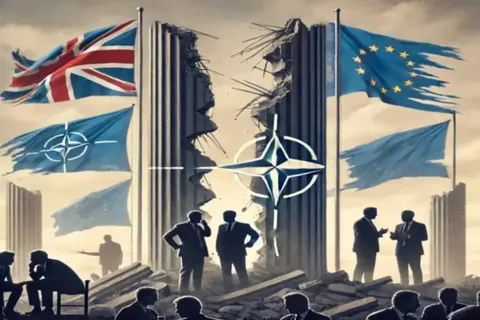
Europe’s Political Crisis: Tension Runs High Across the Continent
Europe’s Political Crisis: Tension Runs High Across the Continent
You can sense the pressure building across Europe. Governments wobble, people lose patience, and the usual political fixes keep falling short. Everywhere you look, alliances barely hold together. Leaders look stressed. Talk of early elections pops up again and again. It’s not just politicians feeling the heat—there’s this uneasy sense that all this chaos could spill over, way beyond Europe itself.Europe’s Political Crisis: Tension Runs High Across the Continent
Fragmented Governments, Fragile Coalitions
Here’s what’s really going on: parliaments are splintered. No single party grabs enough seats to govern alone, so they try to build coalitions with rivals or even with groups that don’t trust each other. Little gets done. Plans stall, arguments drag on, and before long, another government collapses. Early elections become the norm. Uncertainty just drags out. Eastern and Southern Europe feel this the most, but even the big EU players can’t dodge it.
Economic Pain Feeds Political Frustration

Money is tight. Inflation keeps eating away at paychecks, bills climb, and the idea of a real recovery seems more like a wish than a plan. Europe’s been through some heavy shocks, but whatever bounce-back there is, it’s uneven at best. Protests over wages, pensions, housing, and taxes are part of everyday life now. Leaders get squeezed between unhappy citizens and shaky coalition partners.Europe’s Political Crisis: Tension Runs High Across the Continent
Populism and the Far Right Gain Ground
Populist and far-right parties are making a lot of noise. They slam old-school politicians, push hard against immigration, and challenge the authority of European institutions. In some countries, they’re already in power, or at least snapping at the heels of those who are. Politics has turned rougher. Debates get ugly. Compromise barely happens.
The EU Feels the Pressure
This mess spills right into the EU. Arguments flare up over everything—migration, budgets, defense, foreign policy. The EU’s old habit of slow, careful agreement now looks like gridlock. Big reforms get shoved aside. When a crisis hits, the EU struggles to act fast enough.
Security Jitters and Geopolitical Problems
Zoom out, and you see even bigger problems—wars just outside Europe’s borders, alliances shifting, old friendships looking shaky. Leaders have to spend more on defense, but they can’t ignore problems at home either. It’s a balancing act, and Europe’s political systems are stretched thin.Europe’s Political Crisis: Tension Runs High Across the Continent
What Happens Next?
Where does Europe go from here? It’s really about whether leaders can win back people’s trust and actually deliver. Electoral reforms, some real economic relief, and straight talk would help. But with more elections on the way, the turbulence isn’t letting up soon. However Europe’s leaders choose to handle this storm, they’re not just shaping their own countries—they’re deciding Europe’s place in the world.Europe’s Political Crisis: Tension Runs High Across the Continent
Final thought
Europe’s crisis isn’t just one thing. It’s money trouble, broken politics, rising populism, and a future that feels wide open and uncertain. The choices made in the next few years don’t just matter—they’ll set the direction for Europe, probably for a generation.